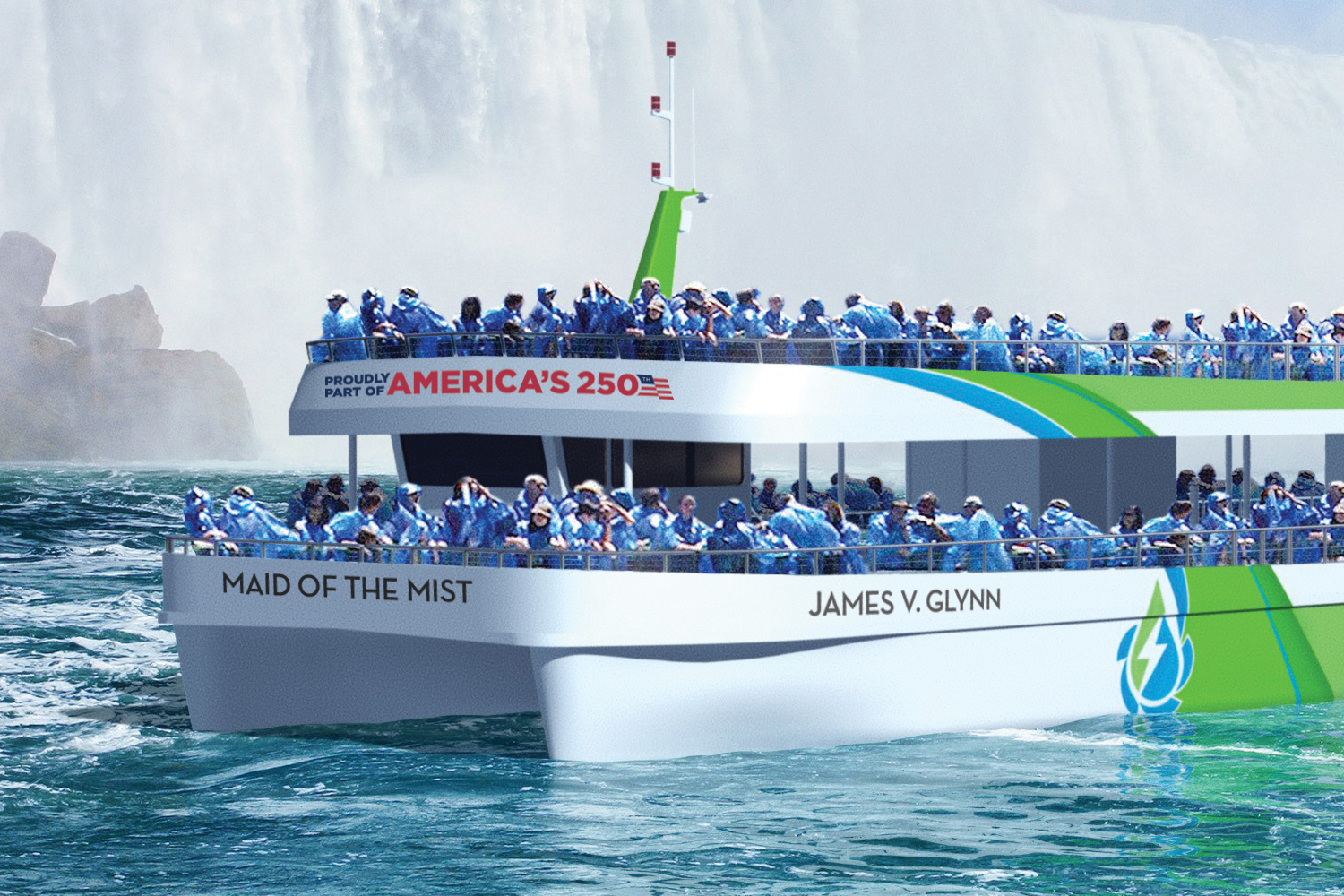
 Maid of the Mist
Moving the decision upstream—before the guest reaches the queue.
An end-to-end operational assessment connecting demand, guest flow, capacity, visibility, and digital planning.
✓Sources checkedWGRZ coverage, official announcement, and live customer capability
Executive brief01
The visible queue was only one part of the operating story.
One of North America’s highest-volume tourist attractions needed clearer visibility into guest demand patterns and bottlenecks while protecting safety, throughput, capacity, and guest satisfaction.
- Role
- Senior Operations Consultant
- Mandate
- Find and explain active constraints
- Operating lens
- Flow · Queue · Throughput · Capacity
- Public alignment
- Wait Time Trends & Insights
The challenge02
The operation absorbed demand variability after guests had already arrived.
The assessment followed the physical and digital guest journey from arrival through exit. It connected queue behavior, vessel cadence, capacity, labor, operating information, and visitor planning into one fact base for executive action.
Reactive stateDemand converges before the operation can respond.
Limited pre-visit visibility concentrates guest arrivals and shifts the burden into the physical queue.
Designed stateA planning signal moves the decision upstream.
Historical patterns give guests a useful input before they enter the operating system.
What I designed03
Three moves connected field observation to an implementation path.
Diagnose the system
Separated visible queue symptoms from the constraints shaping demand, capacity, labor, vessel cadence, and the operating day.
- Field observation
- Guest journey map
- Bottleneck analysis
Move planning upstream
Connected historical demand patterns and guest information to decisions made before visitors entered the physical operation.
- Demand-planning logic
- Queue visibility
- Digital concepts
Enable executive action
Structured priorities across guest flow, capacity, operating transparency, digital experience, and implementation sequencing.
- Executive recommendations
- Value logic
- Implementation path
Signature interactive
Eight stages. One throughput system.
Select a stage to see how demand, information, safety, physical flow, and operating analytics connect across the guest journey.
↓
↓
↓
↓
↓
↓
↓
Active operating controlDemand signal
The operating day begins before a guest joins the physical system. Arrival timing and trip planning shape downstream demand.
Supported value04
Contributions stated at the level the evidence supports.
Separated queue symptoms from the constraints shaping the operating day.
Mapped handoffs, delays, capacity dependencies, and information friction.
Linked operational insight to pre-arrival customer planning.
Connected immediate operating moves with longer-term digital improvements.
Attribution: The public record documents the implemented feature and its guest-planning purpose. Broader implementation and operating success reflect Maid of the Mist leadership, operating teams, digital partners, and project stakeholders. Luna Sol is not presented as the sole owner or cause.
Evidence05
The planning capability is visible in the public record.
Public sources document the launch and purpose of Wait Time Trends & Insights. They do not assign sole ownership of the feature or the broader operation.
01
Featured public evidence · WGRZMaid of the Mist announces launch date for the 2026 season.WGRZ documented the Wait Time Trends & Insights feature and its guest-planning purpose.
↗02Official company announcement · April 22, 2026Ready to Launch: Maid of the Mist sets sail on its 2026 season.The company explained how guests can use historical wait-time patterns before their visit.
↗03Live customer capabilityWait Time Trends & Insights is available on the company website.The live planning page presents estimated demand patterns with operating caveats.
↗Read the evidence and attribution boundaryOpen +
Recommendations from the assessment informed customer-experience enhancements, including the publicly announced planning capability introduced for the 2026 operating season.
The announcements substantiate the customer-facing capability and its purpose. They are not presented as proof that Luna Sol solely designed, built, or implemented it.